![Cast-Iron: History and Care [VIDEO]](https://i3.wp.com/austincountynewsonline.com/wp-content/uploads/2026/01/Cast-Iron-1.png?w=1280&resize=1280,640&ssl=1 "Cast-Iron: History and Care [VIDEO]")
Cast iron isn’t a trendy kitchen tool. It’s a survivor.
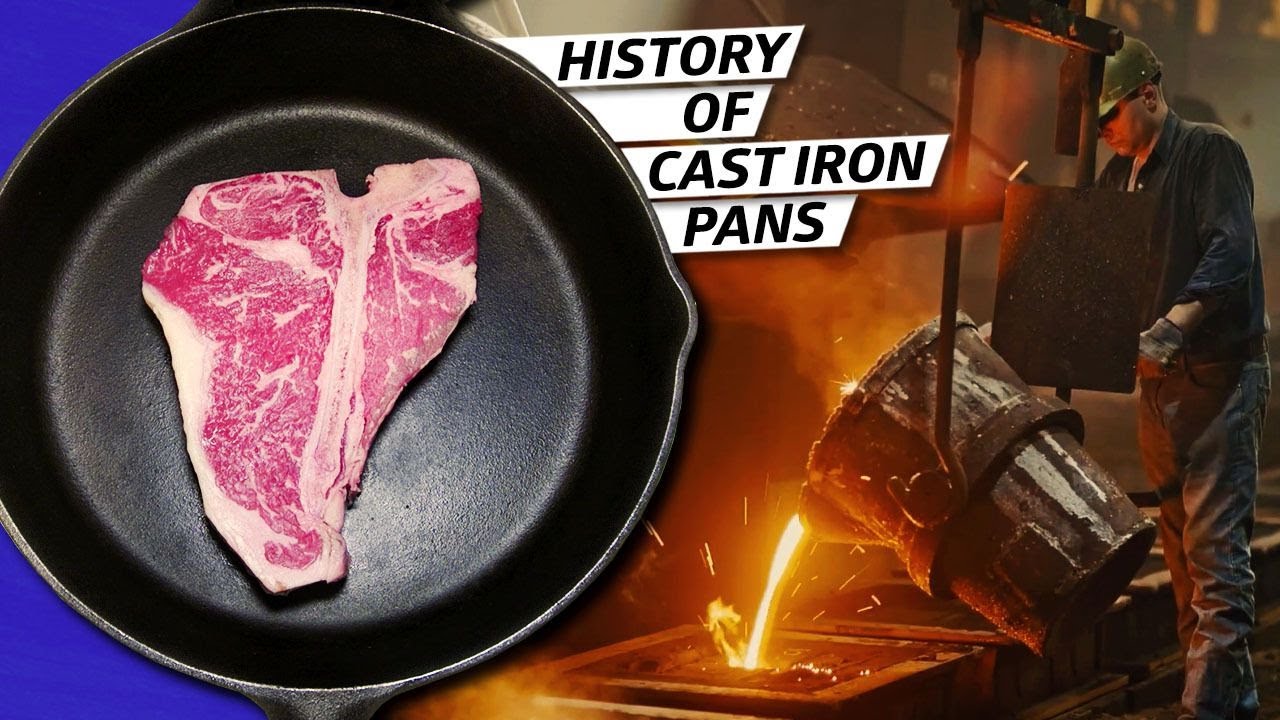
This cookware first appeared on the cooking scene more than 2,000 years ago, with early versions developed in China as far back as the fifth century BCE. By the Middle Ages, cast iron had made its way into European kitchens, where heavy pots and pans were hung over open hearths. In the 1700s, advances in iron casting made cookware more affordable and practical, helping it become a staple in homes across England and, eventually, colonial America.
By the 1800s, skillets and Dutch ovens were fixtures in American kitchens — durable, versatile, and built to last for generations. While modern cookware has come and gone, cast iron has endured, earning its place as one of the most trusted tools in the kitchen.
That said, even this timeless workhorse comes with a few rules.
Four Things You Shouldn’t Cook in Cast Iron
The good news? The list of foods you should avoid cooking in cast iron is far shorter than the list of foods it handles beautifully. Still, there are a few exceptions worth knowing.
Smelly foods
Cast iron is slightly porous, especially before it’s fully seasoned. Strong-smelling foods like garlic, peppers, fish, and pungent cheeses can leave lingering aromas behind. That’s not a problem if your skillet is dedicated to savory cooking, but it can be an issue if you plan to bake desserts later.
Lingering odors can usually be removed by washing the pan with soap and heating it in a 400-degree oven for about 10 minutes, but avoiding heavily aromatic foods keeps your pan more versatile.
Eggs and other sticky foods
New cast-iron pans aren’t naturally nonstick. Until a solid seasoning layer builds up, foods like eggs and pancakes tend to stick and leave behind a mess. For the first few months, it’s easier to use a traditional nonstick pan.
Once the seasoning is well established, you will find your pan handles eggs just fine — crispy edges and all.
Delicate fish
These types of pans hold heat extremely well, which is great for steak but not ideal for fragile fish like trout or tilapia. These delicate fillets can overcook quickly or fall apart. Firmer fish such as salmon or swordfish are much better suited for cast iron.
Acidic foods
Tomatoes, citrus, vinegar, and other acidic ingredients can react with cast iron. While the food is safe to eat, it may develop a metallic taste, and frequent exposure to acid can wear down the pan’s seasoning. If discoloration occurs, a gentle baking soda scrub usually restores the surface.
How to Care for Cast Iron
Caring for cast iron doesn’t require special tools or complicated routines — just consistency.
After cooking, clean the pan with warm water and a mild soap if needed. Dry it completely right away, then rub a thin layer of oil over the surface while the pan is still warm. This helps maintain the seasoning and protects against rust.
Avoid soaking your pan or letting it air-dry. If rust does appear, it’s not the end of the world — a good scrub and a quick re-season will bring the pan back to life. Over time, regular use and proper care build a naturally nonstick surface, making cast iron one of the most reliable and long-lasting pieces of cookware you can own.
One important note: These guidelines apply to traditional cookware. Enamel-coated cast iron doesn’t have the same limitations, so feel free to cook acidic foods and delicate dishes without worry.