

If you feel like you’re the victim of itchy mosquito bites more often than others, it may not be all in your head.
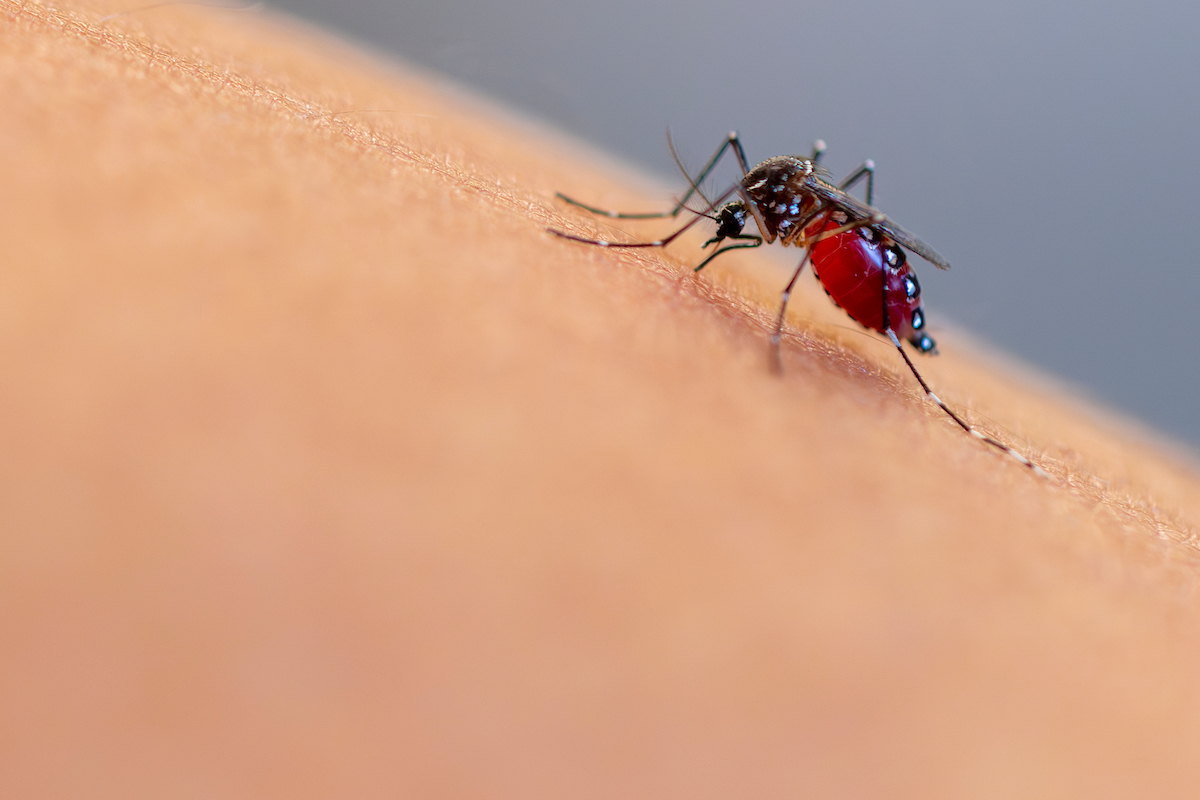
Sonja Swiger, Ph.D., Texas A&M AgriLife Extension Service entomologist, professor in the Texas A&M College of Agriculture and Life Sciences Department of Entomology and self-proclaimed mosquito magnet from Stephenville, said there is some scientific evidence that mosquitoes have preferences for who to land and feed on.
Mosquitoes primarily rely on carbon dioxide to locate their targets, Swiger said. Body temperature and odor also play significant roles, so anything that alters these factors can make someone more or less attractive to mosquitoes.
To separate evidence from anecdotes, Swiger discussed some of the attributes or conditions that studies have shown to entice mosquitoes.
Blood type matters, sometimes
Several studies have shown mosquitoes prefer type O blood. One study published in the Journal of Medical Entomology found a mosquito species preferred to land on type O blood compared to others, but the difference was only significant between type O and type A.
Though it’s often reported that mosquitoes prefer type O blood, Swiger said it’s worth considering the limitations of these studies.
“Some projects have shown that there may be some correlation between blood type and mosquito preference, but in a comparative study, there’s always a winner,” she said. “That doesn’t necessarily mean it’s the absolute winner all the time.”
Some foods and alcohol
People who are intoxicated tend to put out more carbon dioxide and sweat more, which seems to attract mosquitoes — possibly along with other unknown factors.
Swiger said diet can also impact mosquito attraction, though the extent of its effect hasn’t been fully explored. Garlic and vitamin B are often anecdotally reported to deter these bugs, but the evidence is limited.
However, Swiger said bananas and other high-potassium foods have shown to attract mosquitoes, perhaps because they lead to an increase in lactic acid production in the body, which helps mosquitoes locate animals.
This also impacts a person’s skin microbiota, or the microorganisms living on the skin.
“There is some research to support that changing your diet will make you give off different scents,” Swiger said. “So, it may be possible to change your attractiveness to mosquitoes based on what you’re eating.”
Pregnancy attracts mosquitoes
Pregnant women also seem to attract more mosquitoes, primarily because of the increased carbon dioxide output. It’s estimated that women in the advanced stages of pregnancy exhale about a 21% greater volume than non-pregnant women.
Swiger said this goes along with other physiological changes, like increased body temperature, that together make pregnant women easier for mosquitoes to find.
A taste for the local flavor
Sometimes mosquitoes develop more specific tastes in a location over time as an evolutionary trait.
“Mosquitoes in certain neighborhoods can become accustomed to specific scents and start to prefer those over others,” Swiger said. “Their generations are about two weeks long, and urban mosquitoes that bite humans often don’t travel far. As a result, they seem to get familiar with the local scents.”
Other genetic predispositions
There’s still much to uncover as far as mosquito preferences. Swiger said there seems to be other genetic predispositions for what attracts mosquitoes, but these aren’t all clear just yet.
“If you find yourself swatting more mosquitoes than your friends, there is probably some science behind it,” she said. “While there’s no getting around genetic predispositions, staying covered and using repellant might just help you tip the scales in your favor.”
