

Scientists at Texas A&M AgriLife Research are mobilizing to save your bacon.
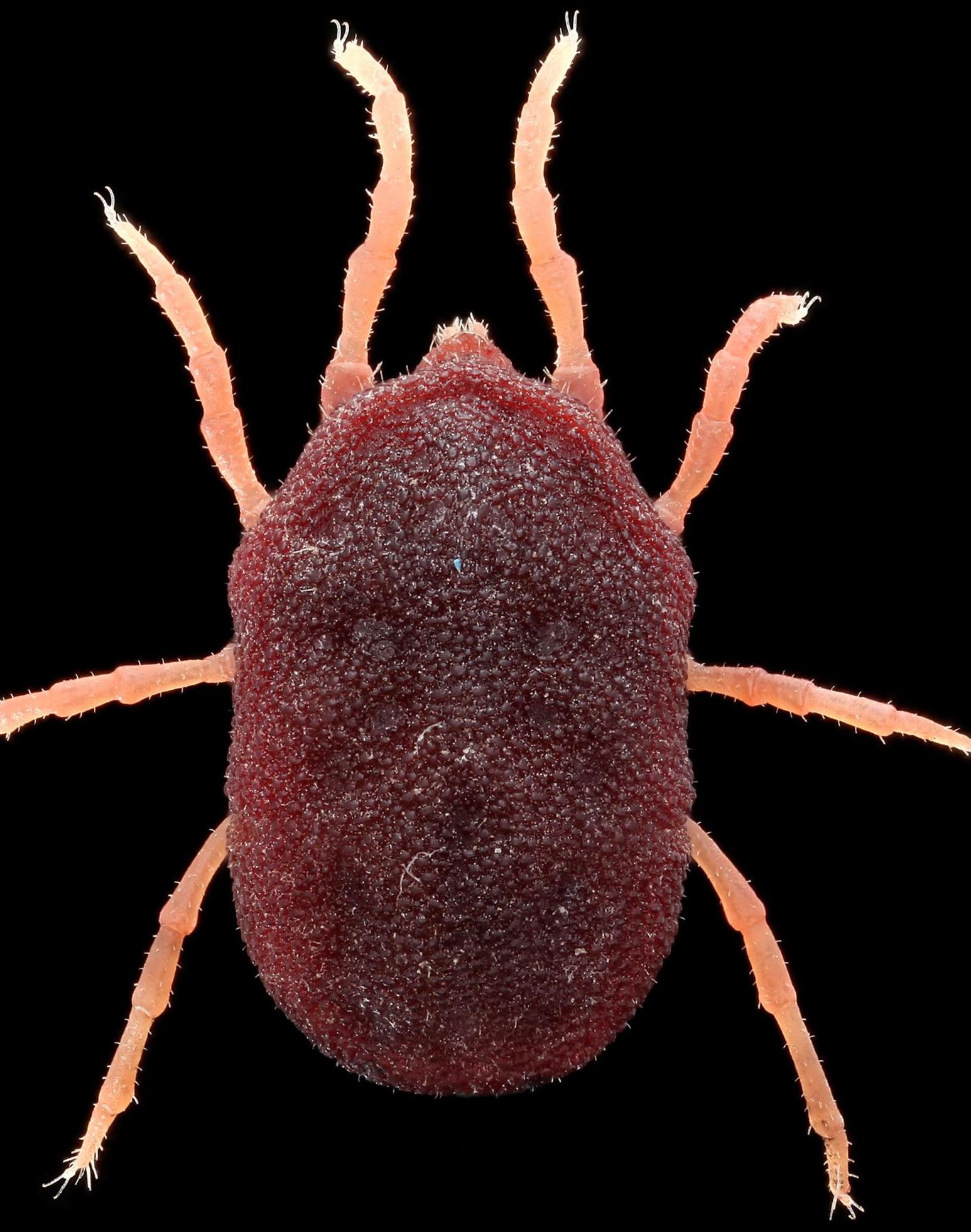
A team of researchers led by experts from the Department of Entomology in the Texas A&M College of Agriculture and Life Sciences are utilizing emerging genetic technology to create a next-generation surveillance method to protect the U.S. pork industry from African swine fever virus, ASFV.
The four-year, $800,000 grant project is funded through the U.S. Department of Agriculture National Institute of Food and Agriculture.
Gabriel Hamer, Ph.D., professor in the Department of Entomology, is leading the team that includes, Pete Teel, Ph.D., AgriLife Research entomologist and Regents Professor, also in the department, and Job Lopez, Ph.D., associate professor from the Baylor College of Medicine, as well as scientists at the National Agricultural Research Organization and Makerere University, both in Uganda.
Hamer said the team’s goal is to advance tools that quantify contact between domestic swine and soft-bodied ticks that are known vectors of ASFV. The overarching mission of the project is to prevent ASFV from establishing itself in the U.S.
“The U.S. is the third largest consumer of pork products and represents 20% of global production, so this effort has enormous ramifications across the industry, individual producers and people shopping at grocery stores,” he said.
African swine fever virus too close for comfort
The emergence of ASFV in Africa, Europe and more recently Asia and the Caribbean demonstrates the threat of the virus’s spread. The virus causes significant illness and mortality in domestic swine, which could devastate the U.S. swine industry.
A 2018 outbreak of the virus in China resulted in the loss of millions of pigs due to mortality and culling with direct financial losses estimated at $10 billion. Loss of production capacity there led to higher pork prices in the U.S. as exports increased to fill Chinese pork demand.
ASFV reemerged in the Caribbean in 2021 after a 40-year absence. Its proximity to the U.S. put the pork industry, state and federal agencies on high alert and prioritized preparedness for disease prevention.
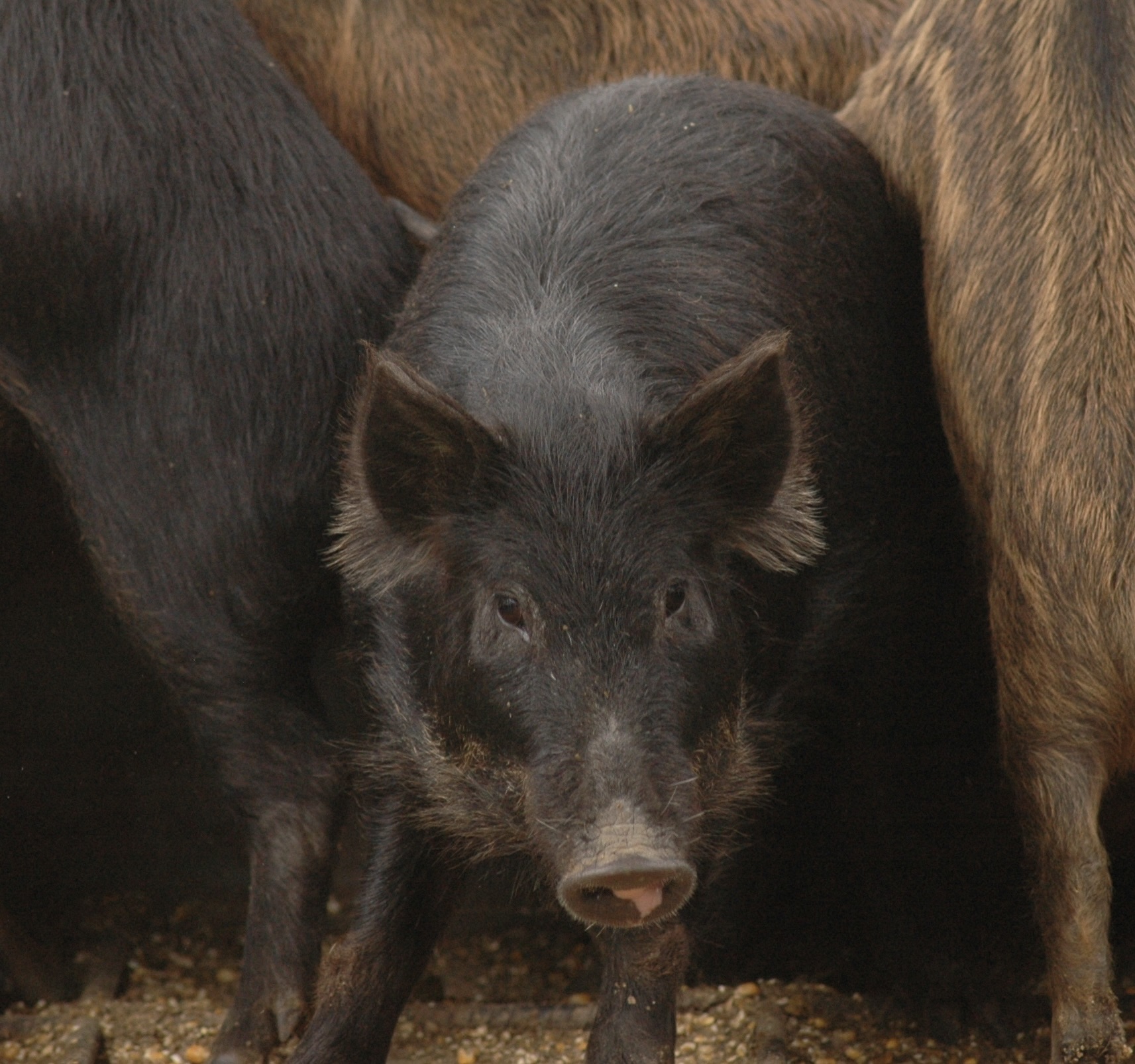
The virus could establish itself in the U.S. in myriad ways. But researchers’ primary concern, Hamer said, is the potential of feral swine and soft-bodied ticks to serve as reservoirs for the disease.
John Tomeček, Ph.D., Texas A&M AgriLife Extension Service wildlife specialist and associated professor in the Department of Rangeland, Wildlife and Fisheries Management, estimates that Texas alone is home to up to 4 million feral hogs. At least 35 U.S. states are now reporting feral hog populations.

Developing tools to monitor, analyze risks
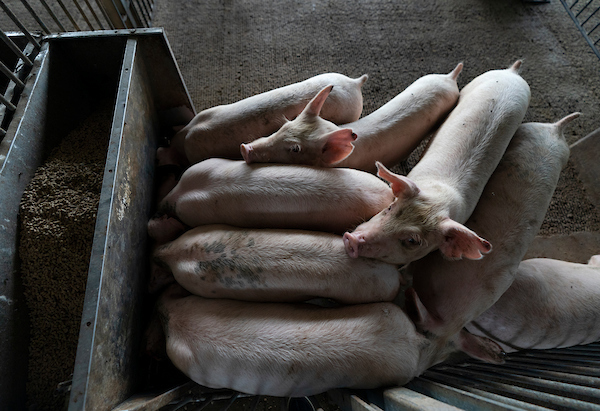
The team will identify tick/swine contact rates in wild and domestic swine populations with two scientific approaches, Hamer said. They will use an established tool – the bloodmeal analysis – which involves collecting ticks in the wild and analyzing DNA from their abdomens to determine the vertebrate animals on which they previously fed.
Researchers also plan to continue development of a blood test that allows them to detect antibodies in swine blood samples that developed in response to tick salivary proteins injected into hosts when feeding. An improved assay will allow scientists to distinguish swine exposure to soft ticks and other types of ticks. That data will help inform risk assessments of tick-borne ASFV transmission.
As part of this project, scientists in Uganda will conduct experiments with swine to evaluate the surveillance tools’ performance. ASFV is established in Uganda, and scientists continue to track transmissions and subsequent damages to swine production there. Evidence of past tick feeding and further screening of swine in Uganda will inform researchers how often they are being fed on by ticks that could spread the virus.
Hamer said many emerging viral pathogens fail to establish themselves because the “stars do not align,” and they go extinct before they become a problem.
The new tools will help researchers see potential for alignments in conditions that allow ASFV a chance to establish.
“Developing assays that measure contact between ticks and swine that serve as hosts for ASFV will help us understand the risk of different introduction and establishment pathways for African swine fever virus in the U.S.,” Hamer said. “This is proactive, forward-thinking research, and the ultimate goal is to protect the U.S. pork industry against an outbreak’s potential impact on farmers and consumers.”
