![June Bugs: Understanding Their Role and Managing Their Impact [VIDEO]](https://i2.wp.com/austincountynewsonline.com/wp-content/uploads/2025/03/June-Bugs.png?w=1280&resize=1280,640&ssl=1 "June Bugs: Understanding Their Role and Managing Their Impact [VIDEO]")
As summer approaches in Austin County, the familiar hum and flutter of insects return — and with them come June bugs, a seasonal nuisance that can leave homeowners wondering what purpose these beetles serve. While they may seem like little more than pests buzzing around porch lights, June bugs play an important role in the ecosystem and can even benefit the environment. Here’s a closer look at these seasonal visitors and how to manage them effectively.
What Are June Bugs?
June bugs, also known as June beetles or May beetles, are part of the Phyllophaga genus, which belongs to the Scarabaeidae family of beetles. These insects are easy to spot with their shiny, reddish-brown or black bodies and hard exoskeletons. Typically measuring about half an inch to an inch long, they emerge in late spring and are most active in early summer, which is how they earned their name.
The Life Cycle of June Bugs
June bugs go through a multi-stage life cycle that takes one to three years to complete, depending on the species.
- Egg Stage: Female June bugs lay their eggs in the soil, usually in grassy or vegetated areas. These eggs hatch in about 2 to 3 weeks.
- Larvae Stage: Once hatched, the larvae — commonly referred to as white grubs — burrow into the soil and begin feeding on plant roots. Grubs can live underground for up to three years, causing significant damage to lawns and crops by devouring the root systems.
- Pupa Stage: After feeding and growing, the larvae enter the pupa stage, where they transform into adult beetles while still in the soil.
- Adult Stage: Fully developed adult June bugs emerge in late spring or early summer to mate, and the cycle begins again. However, adult June bugs only live for a few weeks, making their above-ground presence relatively short-lived.
Why Are June Bugs Active in Summer?
June bugs are nocturnal, meaning they become most active after dusk. They are naturally drawn to bright lights, which is why they often swarm around porch lights, street lamps, and other illuminated areas. Their peak activity typically occurs from late May through early July, with June being the most noticeable period.
What Purpose Do June Bugs Serve?
Though June bugs may be an annoyance, they serve an important role in maintaining ecological balance.
✅Nutrient Recycling:
Grubs contribute to the decomposition of organic matter in the soil by breaking down plant material. As they burrow and consume decaying matter, they return nutrients to the soil, enriching it for future plant growth.
✅ Food Source for Wildlife:
June bug larvae and adults provide a rich food source for various animals. Birds such as crows and robins feast on grubs, while skunks, raccoons, and moles dig into the soil to find these protein-rich insects. Frogs, bats, and other insectivores take care of the adults, helping to maintain a natural balance.
✅ Soil Aeration:
As grubs move through the soil, they aerate it, improving water penetration and root growth for plants. This natural process can benefit the health of grass and crops.
The Downsides: When June Bugs Become a Problem
While June bugs contribute positively to the ecosystem, they can also create problems for homeowners and farmers in Austin County.
❗ Lawn and Crop Damage:
Grubs feed on the roots of grasses and plants, leading to dead patches of lawn and weakened crops. Severe infestations can devastate lawns and gardens, making it difficult for plants to thrive.
❗ Nuisance Around Lights:
Adult June bugs are attracted to artificial lights and often congregate around homes at night. Their clumsy flight and tendency to collide with objects can be irritating for homeowners trying to enjoy an evening outdoors.
How to Manage June Bugs
If June bugs become a problem, there are effective ways to manage their population and prevent damage.
- Lawn Care and Maintenance: A well-maintained lawn with healthy soil can reduce the likelihood of grub infestations. Regular watering and proper fertilization can encourage strong root growth that is more resistant to damage.
- Beneficial Nematodes: Introducing beneficial nematodes into the soil can help target and eliminate grub populations naturally. These microscopic organisms feed on grubs without harming beneficial insects or plants.
- Minimize Outdoor Lighting: Since June bugs are drawn to lights, reducing unnecessary outdoor lighting during peak activity can help keep their numbers down. Consider using yellow “bug lights” that are less attractive to insects.
A Balanced Presence in Nature
While June bugs can be a seasonal nuisance, they are a vital part of the natural ecosystem, providing food for wildlife and contributing to soil health. As Austin County residents brace for the annual appearance of these buzzing beetles, a better understanding of their life cycle and role in the environment can help homeowners appreciate — and manage — their presence effectively.
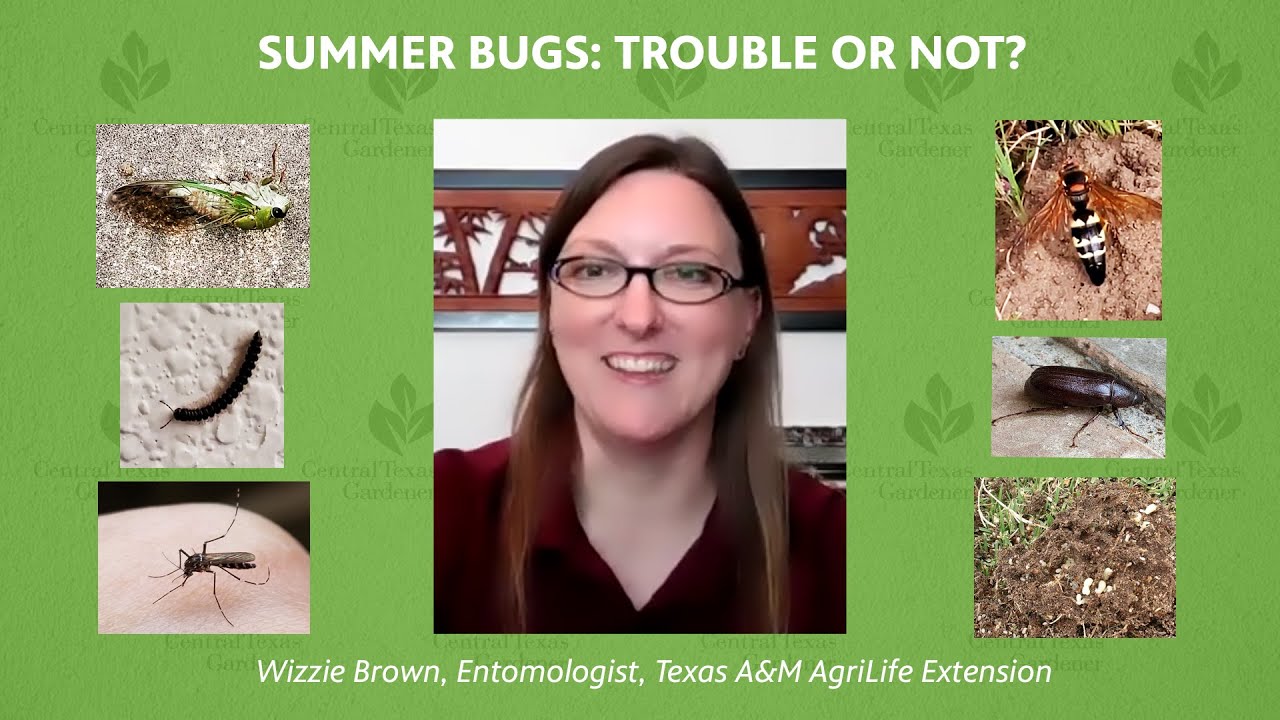
Below is a video from Wizzie Brown, a Senior Extension Program Specialist in IPM at Texas A&M, discussing various summer bugs. If you’re looking for information on June bugs, skip to the 13:55 mark.