![Spring Snake Information [VIDEO]](https://i1.wp.com/austincountynewsonline.com/wp-content/uploads/2025/04/snake.png?w=1280&resize=1280,640&ssl=1 "Spring Snake Information [VIDEO]")
Warmer weather prompts many snake species to emerge from brumation—a hibernation-like state—making spring a particularly active season for these reptiles. Understanding their behavior and taking basic precautions can help people stay safe while coexisting with these important members of the ecosystem.
In many parts of the country, especially regions with warmer climates, snakes are typically active from March through October. Early spring marks the beginning of this active period as snakes seek food, mates, and warm areas to regulate their body temperature. While the presence of snakes may cause concern, many species play a beneficial role in controlling rodent populations.
Common Snakes in the Region
Depending on location, various snake species may be encountered. Here are some of the more commonly spotted types in the spring:
1. Texas Rat Snake (Non-venomous)
Frequently seen in both suburban and rural areas, this snake is an agile climber often found in trees, barns, and attics. Though it may appear intimidating, it is harmless to humans and valuable for rodent control.
2. Western Diamondback Rattlesnake (Venomous)
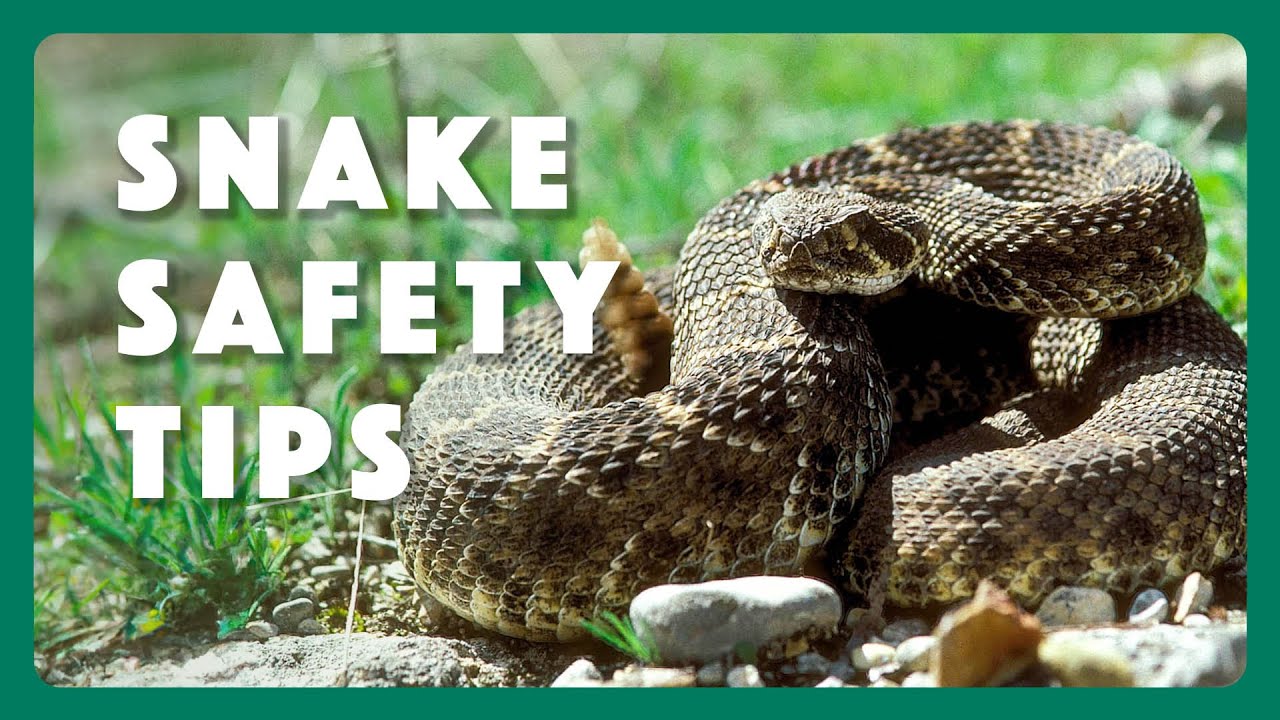
Known for its rattle and distinctive diamond-shaped markings, this snake is one of the more recognizable venomous species. It is generally not aggressive but will defend itself if it feels threatened.
3. Copperhead (Venomous)
Well-camouflaged and often active at dawn and dusk, copperheads are harder to spot. Their bites are rarely fatal but do require prompt medical attention.
4. Bullsnake (Non-venomous)
Often mistaken for a rattlesnake, the bullsnake mimics its appearance and behavior, including loud hissing and striking in defense. Despite this, it is not dangerous and helps control pests.
Safety Tips
Snake encounters are usually avoidable, and a few precautions can help reduce risk:
- Be Aware of Your Surroundings: When walking or working in wooded or grassy areas, stay alert and keep an eye on the ground.
- Wear Protective Clothing: Boots and long pants offer added protection when outdoors in areas where snakes may be present.
- Avoid Handling Snakes: Most snakes will flee if given the chance. If you see one, back away slowly and give it space.
- Keep Your Property Tidy: Clear away tall grass, brush, and debris that could provide shelter. Fencing with small gaps can also help deter snakes from entering your yard or garden.
What to Do If Bitten
Snake bites are rare, but it’s important to act quickly:
- Stay calm and limit movement.
- Try to note the snake’s color and markings, but do not attempt to catch it.
- Seek immediate medical attention, particularly if the bite is from a venomous species.
Spring is a beautiful time to enjoy the outdoors, but it also marks the return of increased snake activity. With a basic understanding of snake behavior and a few simple safety measures, people can reduce the risk of unwanted encounters while appreciating the natural environment around them. The video below is from the Texas Parks and Wildlife and gives safety tips for snake encounters.