
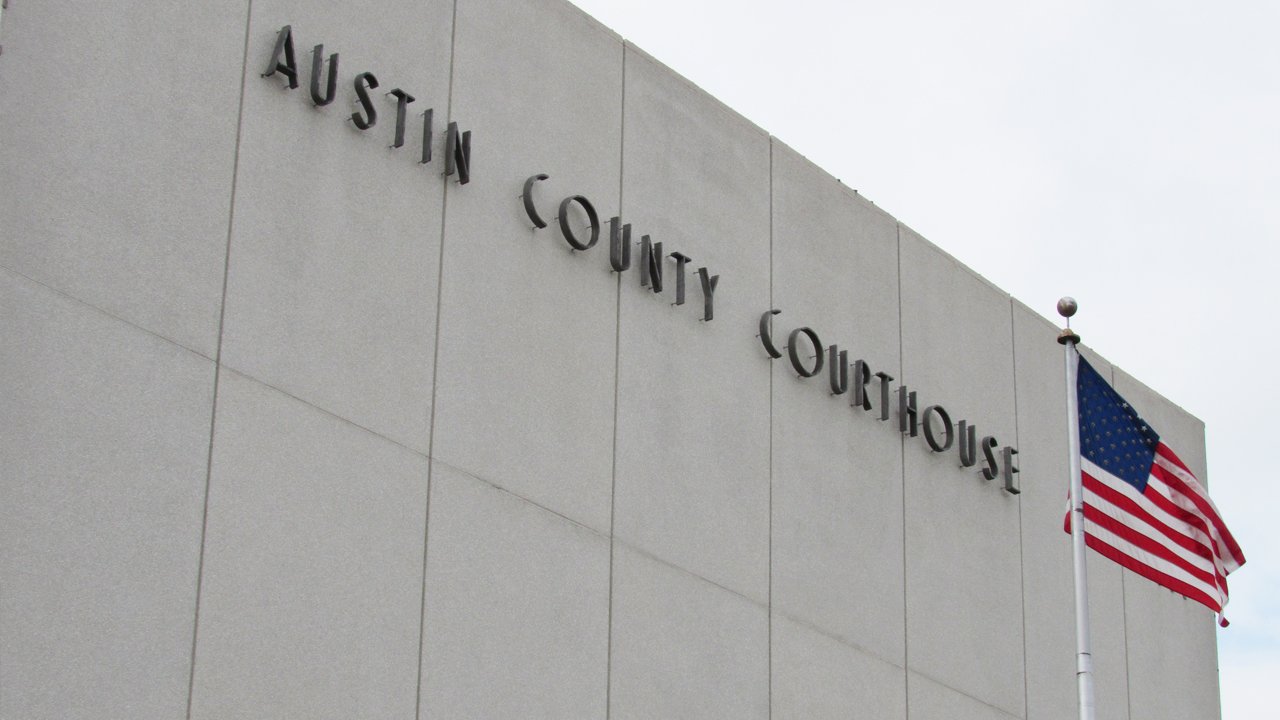

A new bill, Senate Bill 888 (SB 888), seeks to protect Texas prosecutors from costly federal lawsuits by allowing the Texas Attorney General to defend district and county attorneys—including those in the Austin County District Attorney’s Office—when they enforce state law. Authored by Senator Lois Kolkhorst, this legislation provides crucial legal support, ensuring prosecutors do not bear the financial burden of federal legal actions alone.
This legislation comes at a time when tensions between Texas and the federal government have escalated over issues like border security and law enforcement policies. In these legal battles, local prosecutors are often caught in the middle, forced to choose between enforcing state law and risking lawsuits from federal authorities. SB 888 addresses this concern by reinforcing Texas sovereignty and protecting prosecutors statewide.
Why SB 888 Matters for Austin County Prosecutors
Senate Bill 888 might seem like a measure primarily aimed at larger metropolitan counties or border regions, but its impact on rural and mid-sized counties like Austin County could be even more significant. The Austin County District Attorney’s Office operates with limited resources compared to major urban areas, carefully budgeting funds to prosecute crimes, support law enforcement, and serve the community. If the federal government were to file a lawsuit against the DA’s office for enforcing a Texas law that conflicted with federal policies, the financial burden of defending such a case could be overwhelming. Currently, without SB 888, the Austin County DA would have to handle such a lawsuit independently, requiring outside legal counsel and significant financial resources that the county does not have. By shifting the legal and financial responsibility to the Texas Attorney General’s Office, SB 888 would ensure that local prosecutors are not left to fend for themselves in politically charged legal battles.
Beyond financial concerns, there is also the risk that federal legal threats could discourage local prosecutors from fully enforcing Texas laws. If a district attorney fears that prosecuting a case under a state law opposed by the federal government could result in an expensive legal fight, they may hesitate to pursue such cases altogether. This chilling effect could mean prosecutors avoid taking action on certain issues related to border security, firearms, or election integrity—not because the cases lack merit, but because the threat of federal litigation makes them too costly or risky. That hesitation could also extend to local law enforcement, where officers and agencies might be less likely to enforce certain Texas laws if they know the district attorney’s office could face consequences for pursuing them. If local prosecutors begin shying away from enforcing state law due to fear of federal intervention, it could create inconsistencies in how laws are applied across Texas, ultimately weakening the ability of rural counties like Austin County to uphold state policies.
Unlike large urban counties with extensive legal teams and financial reserves, Austin County does not have the resources to absorb a legal battle with the federal government. If a significant lawsuit were filed against the DA’s office, it could overwhelm the office’s capabilities and force county leaders to divert funds from other critical services like law enforcement, public safety, and local infrastructure. More than just protecting prosecutors, SB 888 is about ensuring that local legal systems remain independent and functional. In smaller communities like Austin County, where the district attorney’s office works closely with local law enforcement, the ability to enforce state laws without fear of federal retaliation is critical. Without SB 888, prosecutors in Austin County and similar rural areas could be left exposed, forced to choose between upholding Texas law and avoiding costly federal lawsuits that could cripple their offices. By providing a legal shield, SB 888 would allow prosecutors to do their jobs without hesitation, ensuring that Texas laws are enforced as intended by the state legislature, even in the face of federal opposition.
Border Security and the Legal Battle Between Texas and the Federal Government
The timing of this legislation is no coincidence. The Texas-Mexico border crisis has resulted in multiple legal battles between Governor Greg Abbott’s administration and the Biden administration. One major point of contention has been Texas’ attempts to enforce immigration laws and secure the border independently of federal authorities.
During these disputes, some border county prosecutors expressed concerns that enforcing state immigration laws could lead to federal lawsuits against them. The financial risk associated with such lawsuits has deterred some prosecutors from taking a strong stance on state immigration laws. SB 888 directly addresses this by ensuring prosecutors do not face these legal battles alone.
Connection to the Texas Sovereignty Act
SB 888 also aligns with Senate Bill 80 (SB 80), known as the Texas Sovereignty Act, authored by Senator Bob Hall. SB 80 encourages Texas prosecutors to hold federal agents accountable when they violate Texans’ rights by prosecuting them under the Texas Official Oppression Act. However, many local prosecutors may hesitate to take such actions without legal backing from the state. SB 888 could give them more confidence by guaranteeing state legal support in such cases.
Support and Opposition to SB 888
SB 888 has been endorsed by the Republican Party of Texas’s End Federal Overreach Legislative Priority Committee, which sees the bill as a necessary step in pushing back against federal interference in state matters. Supporters argue that local prosecutors should not be financially burdened for enforcing laws passed by the Texas Legislature, especially when those laws are designed to protect Texas’ authority over issues like border security, gun rights, and election integrity. They contend that without SB 888, federal agencies could use lawsuits as a tool to intimidate or discourage local prosecutors from carrying out their duties under state law, creating a scenario where enforcement decisions are dictated by federal pressure rather than Texas statutes. For conservative lawmakers, this bill is not just about individual legal battles—it is about ensuring that state law is upheld without undue federal influence, reinforcing the principle that Texas, not Washington, should decide how its laws are enforced at the local level.
However, opponents of the bill raise concerns about state resources being used to defend local prosecutors in politically charged legal battles. Some argue that this could increase litigation costs for the state and potentially entangle Texas further in conflicts with the federal government. Critics also point out that while SB 888 offers protection for district and county attorneys, it does not specify cost limitations or caps on the financial commitment Texas would be making to defend these cases. This raises the possibility that prolonged federal litigation could drain resources from the Attorney General’s Office, diverting funds away from other legal priorities, including consumer protection, election law enforcement, and other cases involving the state. Additionally, some legal analysts worry that Texas taking an active role in defending local prosecutors could provoke even more aggressive federal legal challenges, escalating the very conflicts the bill seeks to mitigate.
Despite these concerns, SB 888 has gained traction among conservative lawmakers who view it as part of a broader effort to reinforce state sovereignty and reduce federal influence over Texas law enforcement. Many argue that the bill’s potential costs are a necessary price to pay for maintaining Texas’ independence in legal matters. To them, SB 888 is not just about legal defense; it is a statement that Texas will not allow local officials to be financially crippled for enforcing its laws. With ongoing legal battles over border security and other federal-state disputes, the bill’s supporters see it as a proactive measure to ensure that Texas remains in control of its own legal system, regardless of federal opposition.
What Comes Next?
SB 888 is currently moving through the Texas Senate State Affairs Committee and will likely face additional hearings before advancing to a full vote. If passed, it would take effect on September 1, 2025.
For Austin County and other rural communities, the passage of SB 888 would mean greater legal protection for local prosecutors who find themselves caught in the crossfire of state-federal disputes. Whether it’s border security enforcement or other legal matters, this bill aims to ensure that local prosecutors can do their jobs without the looming threat of financially crippling federal lawsuits.
As the debate over Texas’ right to enforce its own laws continues, SB 888 represents a crucial test of how far the state is willing to go to protect its prosecutors from federal intervention. For Austin County, the outcome of this legislation could have a direct impact on how local officials handle state-federal legal conflicts in the future.
